

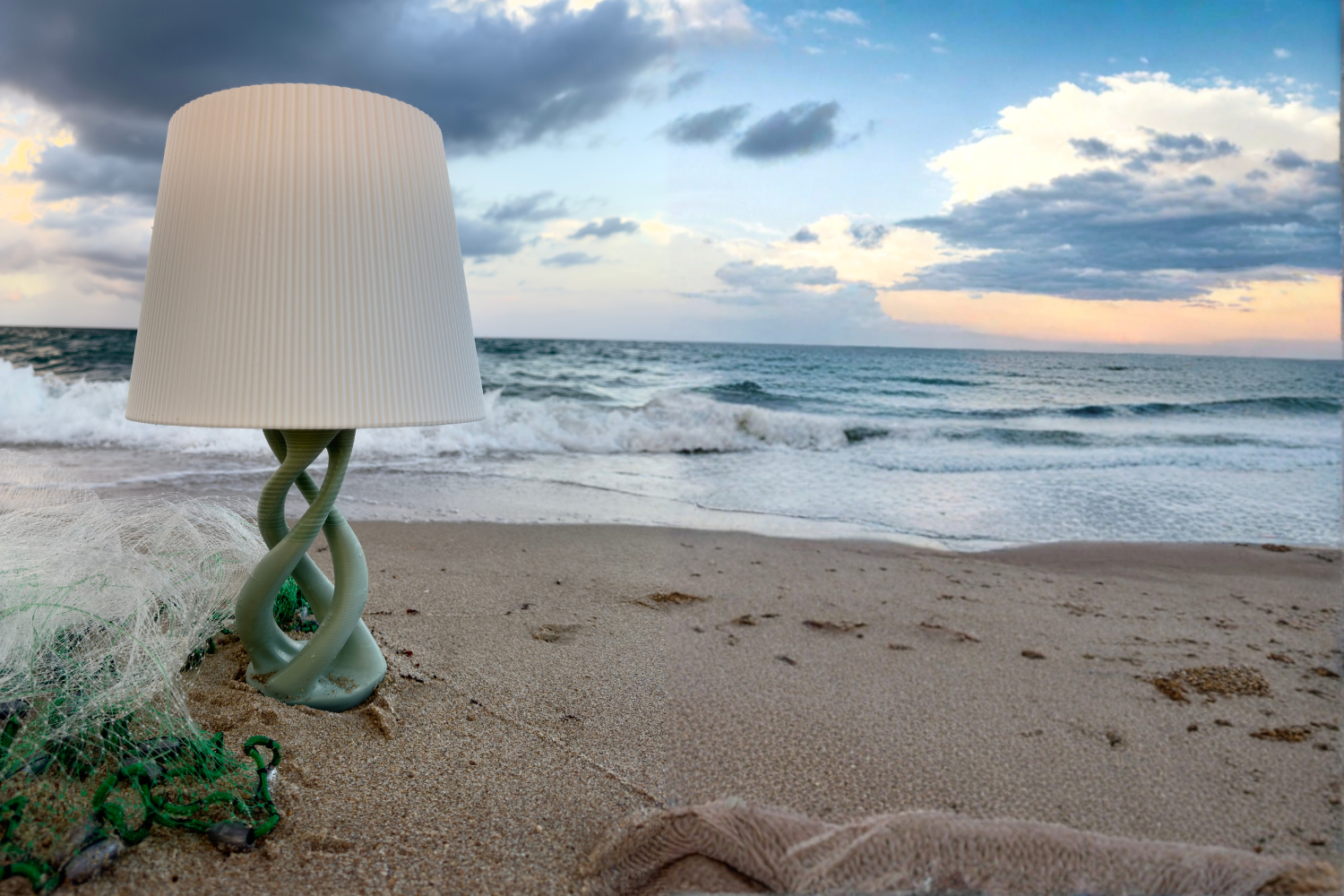
A new kind of light is coming.
The Ocean Collection turns recycled fishing nets into sculptural light. 150 pieces worldwide. Released once. Never repeated.
Designed to remain rare, even if demand grows.
The Mangrove
The Mangrove takes its form from the quiet complexity of tropical mangrove roots - structures shaped by tension, flow, and time. Light moves through the form gently, creating atmosphere rather than contrast.
The Chelonya
Named after Florida’s loggerhead sea turtle, which has nested along the state’s shores for centuries. Its layered, perforated form echoes both the organic geometry of fishing nets and the protective patterns of a turtle’s shell.
Mocamar (mo-CA-mar) is a Fort Lauderdale–based design brand creating lighting and home objects from reclaimed and recyclable materials. Mocamar isn't designed for mass adopion and that's intentional. Every collection follows one rule: It is produced once and never repeated.
We don’t start with what sells, what trends, or what’s expected. We start with questions. Every material, every form, every limit is a decision that has to earn its place. If it doesn’t align with our values, it doesn’t exist. That’s what makes these objects more than products. They are the result of choosing responsibility over convenience, again and again.
From Fishing nets to light
Get on the list.
The Ocean Collection marks the beginning of our journey. Every few months, we release a new limited collection,
exploring different materials, different forms, different stories from the circular economy.
This is how we work: Small batches. High intent. Always moving forward.
Ocean Collection: April 2026
Collection II: Summer 2026
Get access to our launches before anyone else.
Commitment isn’t what we say. It’s what we don’t allow ourselves to ignore.
3% for the ocean
We commit three percent of our revenue to organizations and projects where protection is tangible, not abstract.
Where the nets come from.
Every Mocamar piece begins long before a machine starts running. It begins with curiosity.
Material responsibility
Choosing materials means choosing consequences. Our products begin ith material that already existed, because adding new plastic to the world felt like the wrong answer.


