Where the nets come from.
Most objects today are designed for speed. For easy materials. And for systems where scale matters more than consequence. We don’t work that way.
At Mocamar, material is not a styling choice. It’s a decision with consequences.
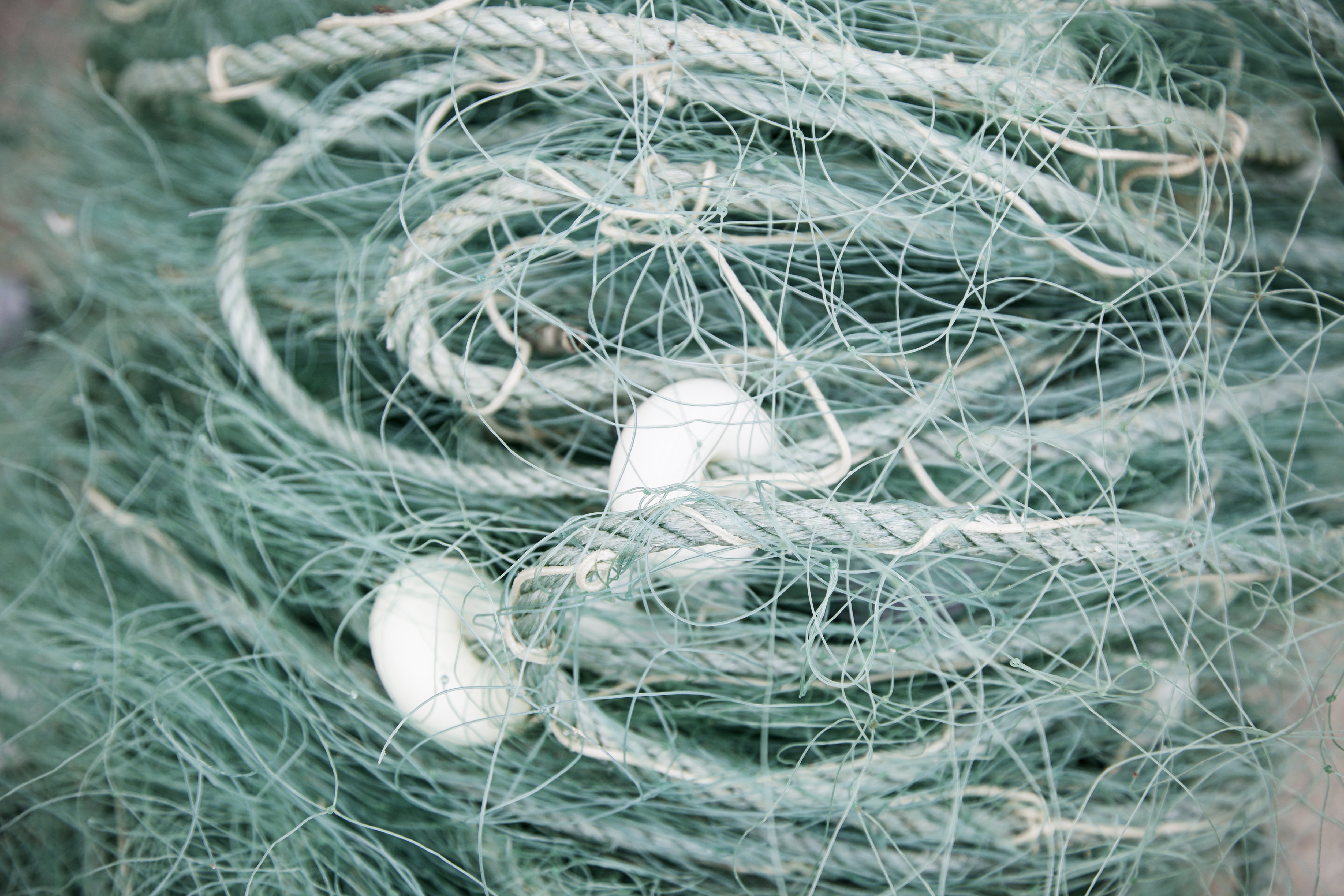
The PA6 nylon we use doesn’t come from lost or abandoned fishing nets. These are not ghost nets pulled from the ocean floor. They are end-of-life fishing nets that have been professionally disposed of through certified waste management systems in Europe. Nets that have reached the end of their working life and are handled accordingly.
This distinction matters.
In Europe, commercial fishers are legally required to dispose of their equipment through approved channels. That creates something we consider essential: a traceable, verifiable supply chain. We know where the material comes from, how it was handled, and what it consists of.
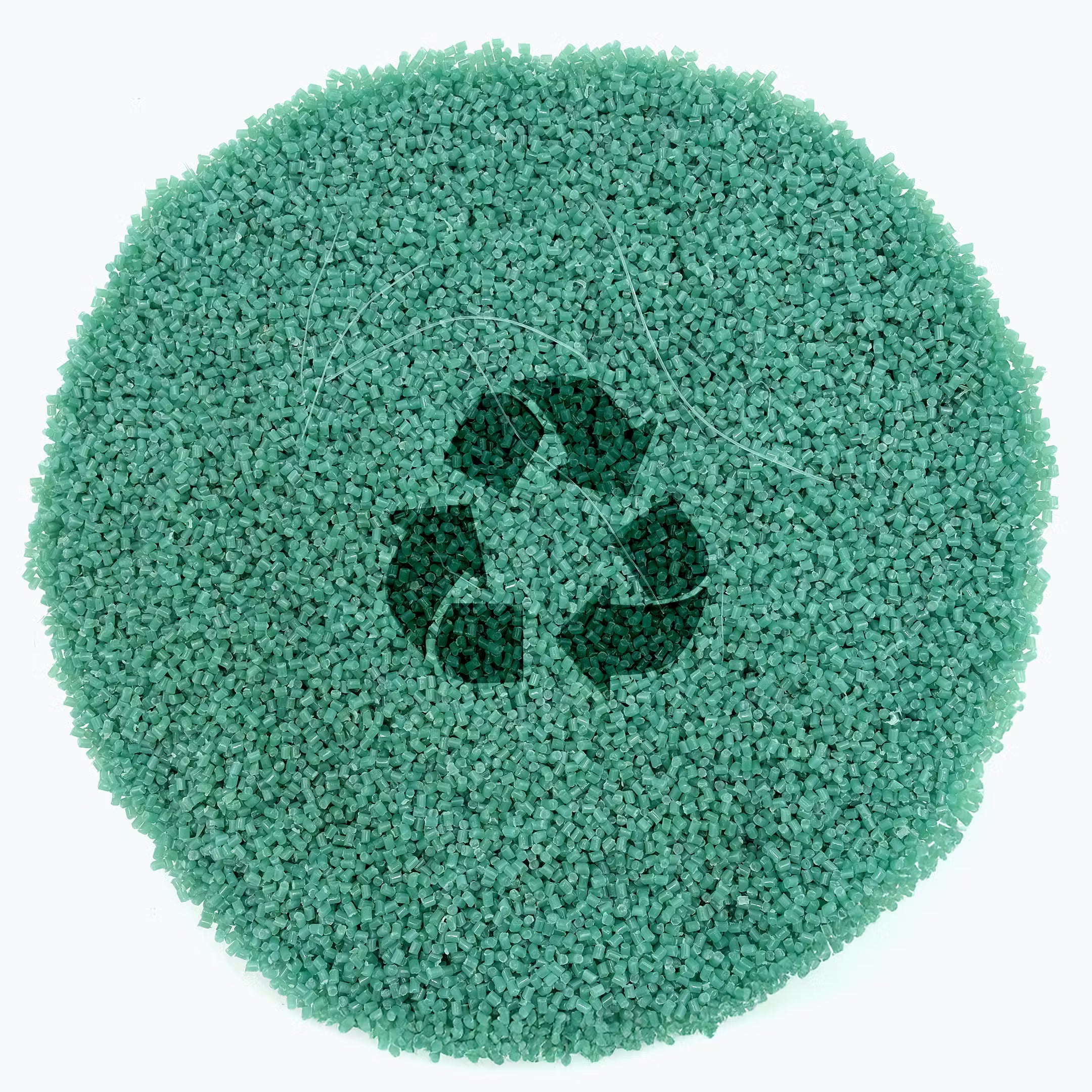
The nets are collected directly from fishing operations by Circular Ocean Project. They are carefully sorted by material type, separating PA6 from other nylon blends. Any contaminants are removed. The material is then cleaned to eliminate salt, algae, and organic residue. What remains is pure PA6 nylon, prepared for its next life.
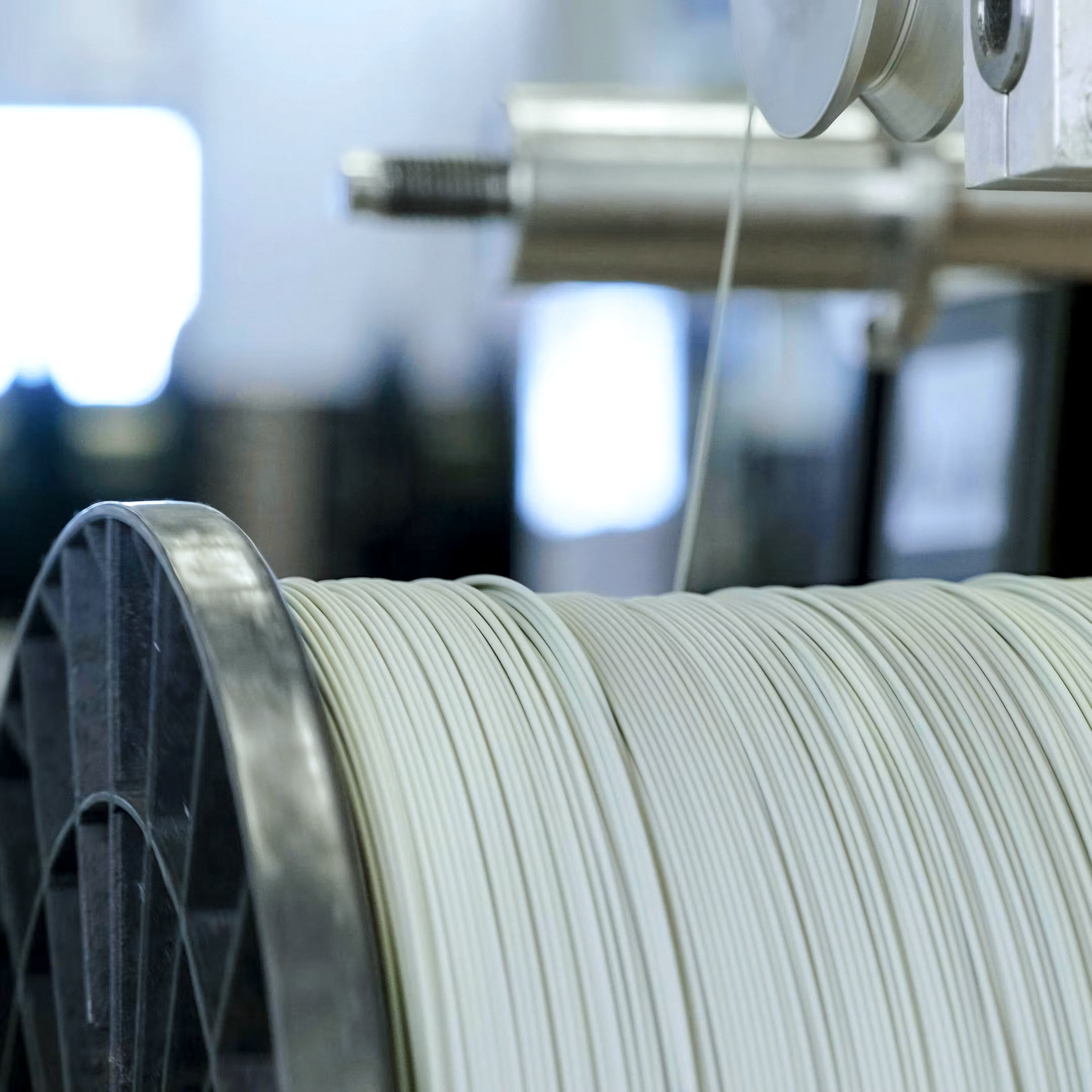
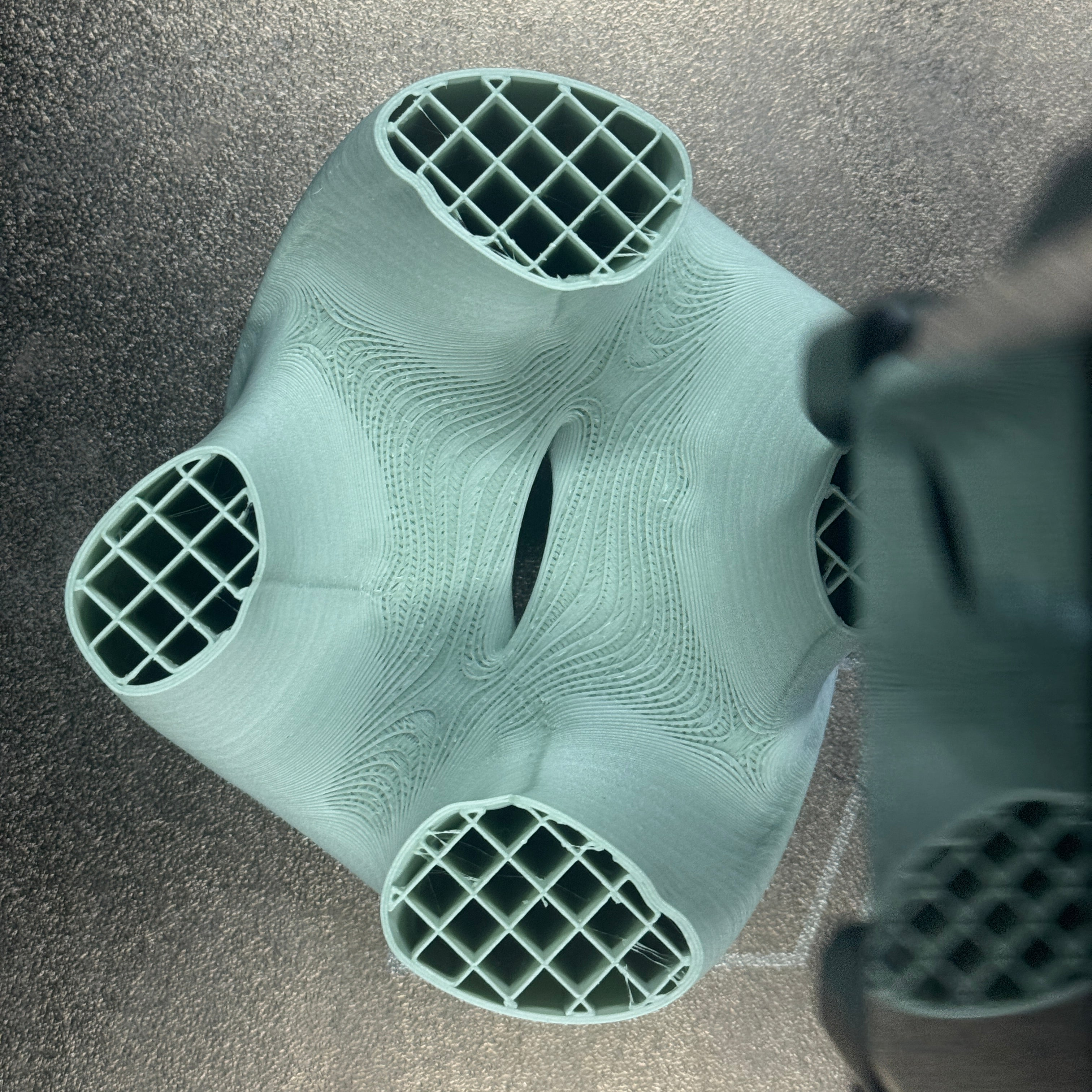
From there, the material moves to our supplies in Sweden, who processes the cleaned PA6 pellets into high-quality recycled PA6 printing filament. Mechanically and structurally, it performs on the same level as virgin nylon. The difference lies in its origin.
The filament is then shipped from Sweden to Florida.
International transport. Customs clearance. Import duties. Climate-controlled storage, necessary because PA6 absorbs moisture and requires careful handling. This path is neither the cheapest nor the simplest option. It is, however, the only available one if you want to work with filament made from recycled fishing nets. The is currently only one manufacturer producing this material at a quality level suitable for precision 3D printing. There are no equivalent alternatives on the market.
Limits.
We are not carbon neutral. Shipping has a footprint. 3D printing uses energy. Electronics aren’t infinitely recyclable. We don’t offset these realities with claims. We focus on what we can control - material choice, cascade use, and keeping resources in circulation as long as possible. Parallel to our current supply chain, we are already seeking partners in the U.S. to develop future solutions closer to production. Reducing distance without compromising material integrity is a goal, not a slogan. It’s also important to be precise about impact. Despite the transport routes involved, the overall carbon footprint of this recycled PA6 is significantly lower than that of commonly used bio-based PLA. Material origin, processing energy, durability, and lifecycle all matter more than geography alone.
Is this approach more complex than sourcing standard materials locally?
Yes. Is it worth it? Without question. Because sustainability isn’t defined by convenience. It’s defined by decisions that hold up when examined closely.